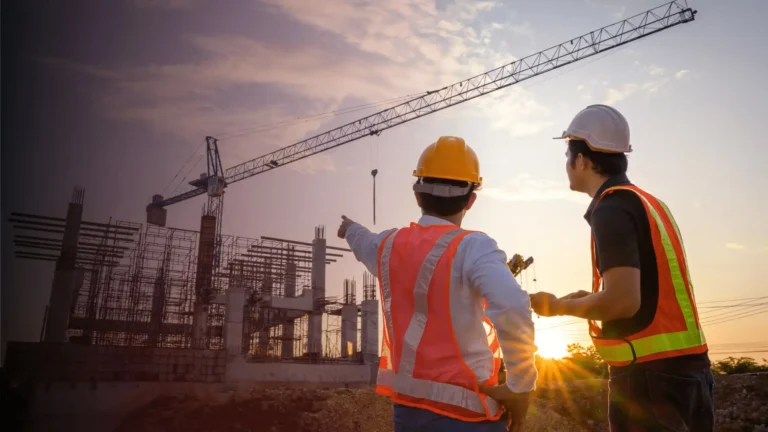
Construction estimating is the foundation upon which any successful New York construction project is built. It involves predicting the costs of materials, labor, equipment, and other expenses required to complete a project. The estimate serves as the blueprint for a project’s financial plan, guiding both the contractor and the client in understanding the scope, budget, and potential profitability. Without accurate estimates, projects across the five boroughs can spiral into costly delays, overruns, and financial losses.
For professional construction firms like New York Estimators, construction estimating is more than just crunching numbers. It’s a critical part of project planning, ensuring every cost — including DOB fees, permits, and New York’s often unpredictable material and labor markets — is accounted for and risks are minimized. In this article, we’ll explore what construction estimating entails, its types, methods, and the importance of accuracy, using New York Estimators as an example to showcase how experts handle this process efficiently in a market as demanding as NYC.
What Is Construction Estimating?
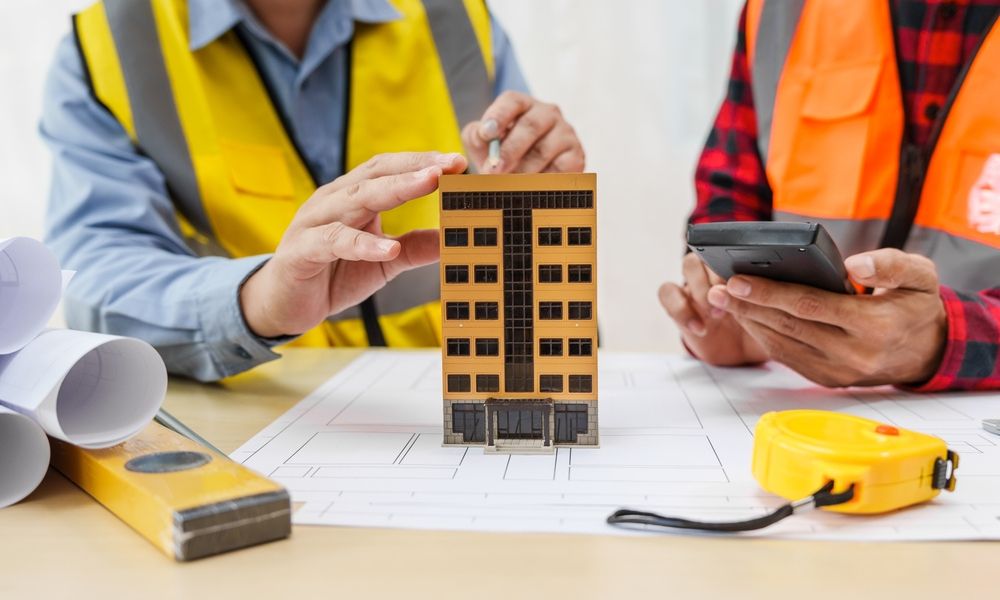
Construction estimating is the process of forecasting the total cost of a construction project. This process involves calculating the costs of materials, labor, equipment, overhead, and profit margins. The estimate provides a financial framework for the project, helping clients, contractors, and project managers understand what resources are needed and how much the project will cost from start to finish.
For companies like New York Estimators, the goal of construction estimating is to provide clients with a comprehensive and accurate budget, ensuring that projects stay within financial limits while meeting all required specifications — including the code and zoning requirements unique to building in New York City.
Why Is Construction Estimating Important?
Accurate construction estimates are essential for several reasons:
- Budget Planning: The estimate serves as the project’s financial guide. Without a reliable estimate, it becomes impossible to budget effectively — especially given how quickly New York material and labor costs can shift.
- Resource Allocation: An estimate helps allocate resources, including labor, materials, and equipment, ensuring that everything is available when needed on-site, even in the tight urban lots common across the city.
- Project Feasibility: Before a project begins, the estimate helps determine if the project is financially viable.
- Risk Management: Estimating helps identify potential risks and cost overruns, allowing contractors like New York Estimators to take preemptive measures to minimize them.
Types of Construction Estimates
There are several types of construction estimates, each used at different stages of the project to meet specific needs. Let’s break down the most common types.
1. Preliminary Estimates
Preliminary estimates are often the first step in the estimation process. They’re created early in the project lifecycle when not all project details are available. This type of estimate is used for budgeting and feasibility assessments, providing a rough idea of the project’s potential costs.
At New York Estimators, preliminary estimates are designed to give clients a snapshot of the potential budget, allowing them to decide whether to move forward with a project in Manhattan, Brooklyn, Queens, the Bronx, or Staten Island.
2. Detailed Estimates
Once the project scope is clearly defined, a detailed estimate is created. This estimate breaks down all aspects of the project, including materials, labor, equipment, and other costs. It provides a more precise forecast and is typically used for bidding or securing project financing.
New York Estimators uses detailed estimates to ensure every cost is accounted for, helping clients avoid unexpected expenses during construction — a particularly important safeguard given how easily New York project costs can shift mid-build.
3. Quantity Takeoff Estimates
This type of estimate focuses specifically on the quantities of materials required for the project. Quantity takeoff estimates are essential for calculating the volume of materials, such as concrete, steel, or lumber, needed to complete the work.
New York Estimators leverages advanced software to perform precise quantity takeoffs, ensuring that clients order just the right amount of materials for their New York project, reducing waste and keeping costs under control.
4. Unit Cost Estimates
Unit cost estimates break down costs based on individual components of the project. This method assigns a cost to each unit of work, such as the cost per square foot of concrete or the cost per linear foot of piping. Unit cost estimates are commonly used for large-scale projects with multiple components.
New York Estimators often uses unit cost estimates to give clients a clear understanding of how costs are distributed across different parts of a New York project.
Methods of Construction Estimating
Construction estimating can be performed using various methods, depending on the complexity and stage of the project. Here are the most common methods used by professionals like New York Estimators.
1. Analogous Estimating
Analogous estimating, also known as comparative estimating, relies on historical data from similar projects. It involves comparing the current project to past projects to predict costs. While this method is less precise than other techniques, it can provide a quick estimate when detailed project information is unavailable.
New York Estimators uses analogous estimating in the early stages of project planning to provide clients with a rough cost projection based on similar New York projects the team has completed in the past.
2. Parametric Estimating
Parametric estimating is a more precise method that uses statistical models and project-specific data to predict costs. This method is based on measurable variables, such as the number of square feet in a building or the number of hours required to complete a task. Parametric estimating is commonly used for complex projects where accuracy is crucial.
At New York Estimators, parametric estimating is employed to ensure that every aspect of a project is accounted for with mathematical precision, giving clients a more reliable cost forecast for their New York build.
3. Bottom-Up Estimating
Bottom-up estimating involves breaking down the project into smaller components and estimating the cost of each one. The individual costs are then added together to create the total project estimate. This method is time-consuming but provides a highly accurate estimate.
For complex projects, New York Estimators uses bottom-up estimating to ensure that every component is accurately priced, giving clients peace of mind that the estimate reflects the true cost of building in New York.
4. Three-Point Estimating
Three-point estimating involves calculating three different cost estimates: an optimistic estimate, a pessimistic estimate, and a most likely estimate. These three estimates are averaged to provide a more balanced forecast. This method accounts for uncertainty and is often used when there are significant unknowns in a project.
At New York Estimators, three-point estimating is used to manage client expectations and account for potential risks or uncertainties that may arise during construction — from permit delays to material price swings.
Factors That Affect Construction Estimates in New York
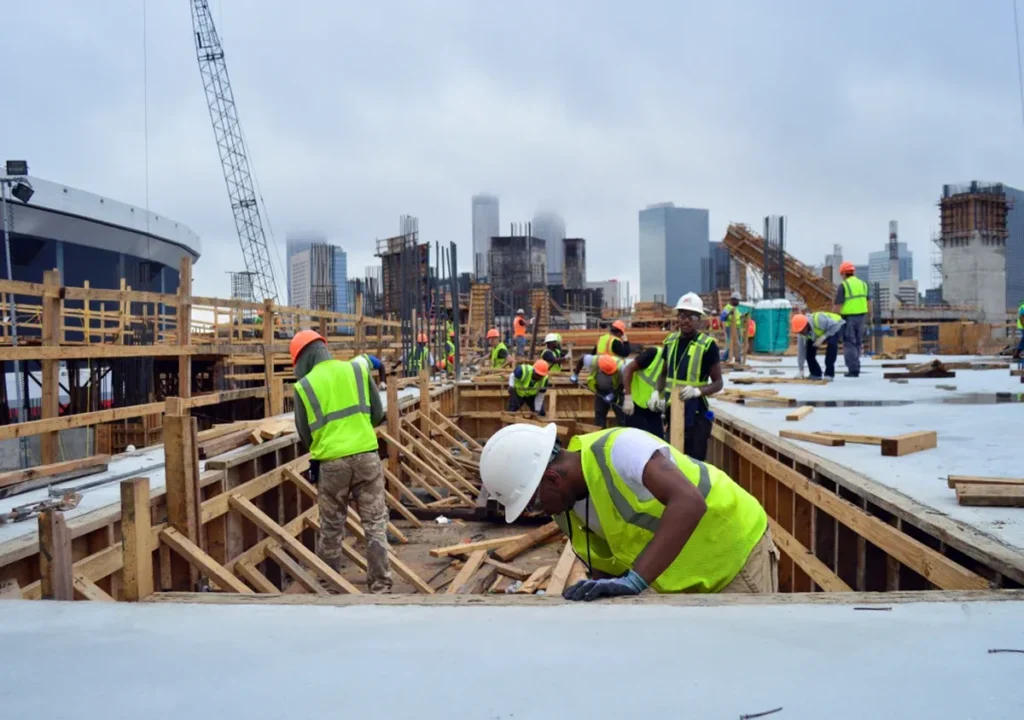
Several factors can influence the accuracy of a construction estimate, including:
- Project Size and Complexity: Larger, more complex projects require more detailed estimates.
- Location: Where in New York a project sits — Manhattan versus an outer borough, for instance — affects labor and material costs due to local market conditions and site access.
- Material Costs: Fluctuations in material prices, including delivery costs into dense urban sites, can have a significant impact on the final estimate.
- Labor Costs: Labor rates, including prevailing wage and union considerations, vary and affect overall New York project costs.
- Project Schedule: Shorter project timelines often require more labor and overtime, increasing costs.
New York Estimators takes all these factors into account to provide clients with accurate and reliable estimates that reflect the true cost of building in New York City.
The Importance of Accuracy in Construction Estimating
Accuracy is crucial in construction estimating. Overestimating costs can lead to losing bids, while underestimating can result in financial losses during construction. For this reason, professionals like New York Estimators invest in the latest estimating software and techniques to ensure their estimates are as precise as possible.
Using advanced tools like Cubit Estimating Software, New York Estimators performs detailed quantity takeoffs, applies current New York market rates, and considers every aspect of the project — including DOB requirements — to deliver accurate estimates. This level of precision not only helps clients stay within budget but also minimizes the risk of costly delays and disputes.
Conclusion
Construction estimating is a vital part of project planning that ensures all costs are accounted for before work begins. Whether it’s a simple residential renovation or a large commercial build in New York City, accurate estimating helps contractors and clients understand the financial requirements of the project, allocate resources efficiently, and manage risks.
At New York Estimators, we take pride in delivering comprehensive, reliable construction estimates that help our clients achieve their project goals across the five boroughs. From preliminary budgeting to detailed cost breakdowns, our team of experts is here to guide you through every stage of the estimating process. Contact New York Estimators today to get a professional estimate for your next construction project and ensure it stays on track financially.