Construction costs in New York can swing wildly from block to block, borough to borough, and trade to trade. A single misplaced decimal in a quantity takeoff — or a missed line item for union labor, overtime, or DOB filing fees — can turn a profitable bid into a losing one. That’s why choosing the right construction estimating service in New York is one of the most consequential decisions a general contractor, subcontractor, developer, or homeowner can make before a project ever breaks ground.
This guide walks through exactly what construction estimating services do, why New York projects demand specialized expertise, the criteria that separate a reliable estimator from a risky one, and the questions you should ask before signing a contract. If you’re evaluating providers right now, New York Estimators is a strong option to have on your shortlist for its local market knowledge and trade-specific accuracy — but the framework below will help you evaluate any provider with confidence.
What Are Construction Estimating Services?
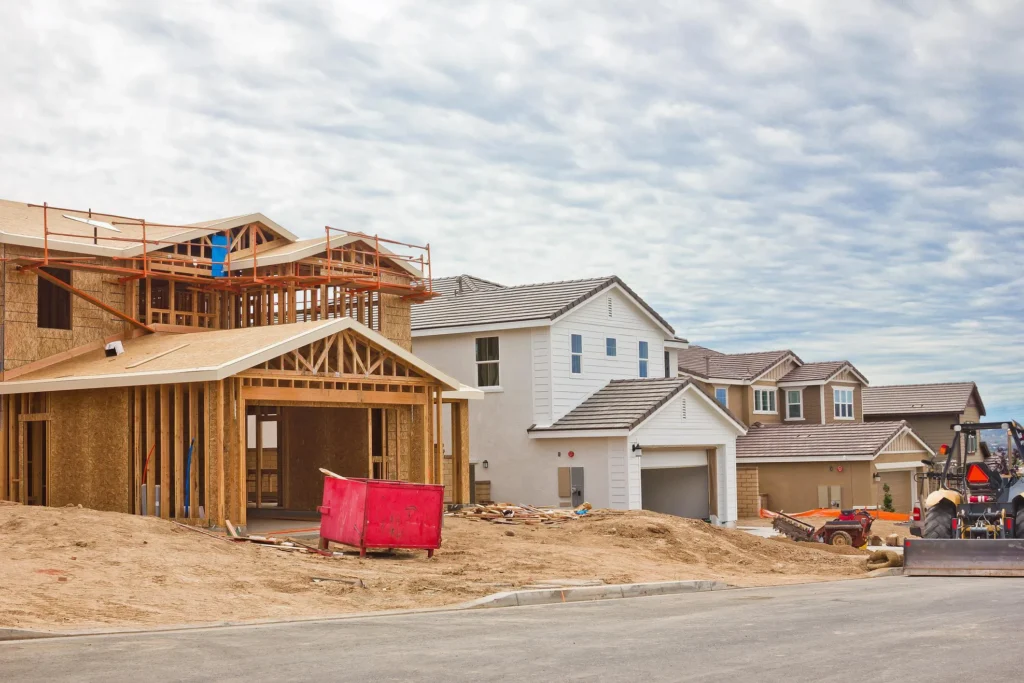
Construction estimating services translate architectural drawings, specifications, and scopes of work into precise cost projections. A professional estimator performs a quantity takeoff — measuring and counting every material, assembly, and labor hour required — and then applies current material pricing, labor rates, equipment costs, overhead, and profit margins to produce a bid-ready estimate.
Estimating is not a single task but a category of services that typically includes:
- Preliminary (conceptual) estimates — early-stage budget ranges used for feasibility studies and financing.
- Detailed (definitive) estimates — line-by-line cost breakdowns organized by CSI MasterFormat divisions, used for competitive bidding.
- Quantity takeoff services — material and labor quantification without full pricing, often used by contractors who price in-house.
- Bid-day estimating support — rapid-turnaround estimates and subcontractor bid leveling on the day bids are due.
- Change order and value engineering estimates — cost impact analysis for scope changes mid-project.
- Trade-specific estimating — specialized takeoffs for electrical, plumbing, mechanical (MEP), concrete, framing, drywall, and site work.
Why New York Requires Specialized Construction Estimating
Generic, nationwide cost databases rarely hold up in New York. Several local realities make this one of the most complex construction markets in the country to estimate accurately:
Union labor rates and prevailing wage requirements. Much of New York City construction operates under union agreements, and public and many private projects require compliance with prevailing wage laws. An estimator unfamiliar with current union scale, fringe benefits, and jurisdictional rules for each trade will produce numbers that are off before the project even starts.
NYC Department of Buildings (DOB) and local code compliance. Filing fees, permit expediting costs, façade inspection requirements (Local Law 11/FISP), energy code compliance (Local Law 97), and zoning-driven design constraints all add cost layers that a generalist estimator may overlook entirely.
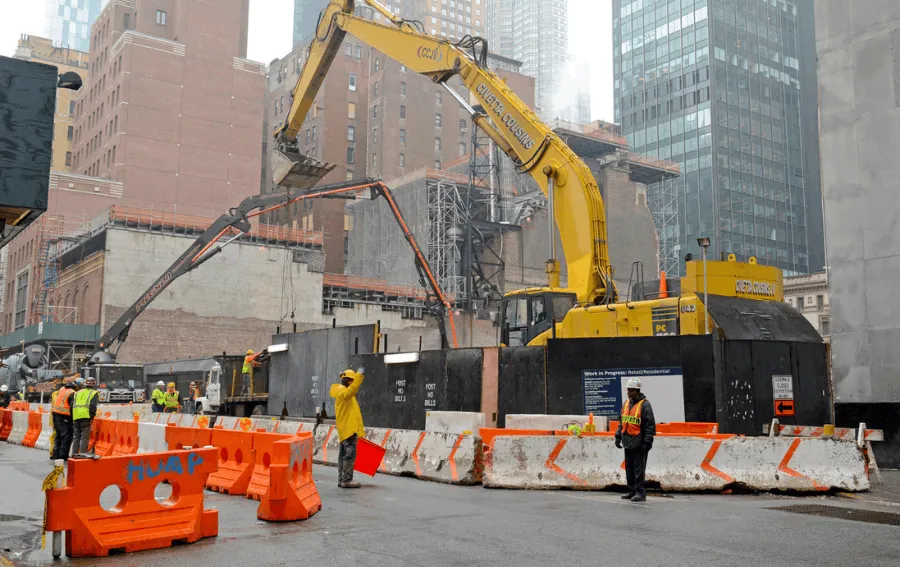
Site logistics and access constraints. Dense urban sites often require crane permits, sidewalk sheds, protection plans, off-hour deliveries, and limited staging space — all of which carry real costs that only an estimator with hands-on New York experience will price correctly.
Volatile material and equipment pricing. Material costs in the New York metro area fluctuate with supply chain conditions, tariffs, and regional demand. Estimators need access to current, regionally-adjusted pricing databases rather than stale national averages.
Borough-to-borough cost variation. Labor availability, transportation costs, and market competition differ meaningfully between Manhattan, Brooklyn, Queens, the Bronx, Staten Island, and the surrounding metro area — a single flat multiplier doesn’t cut it.
Key Factors to Evaluate When Choosing an Estimating Service
1. Local Market Knowledge
Ask how the firm sources its pricing data and how often it’s updated. A provider actively working New York projects will have current union rate schedules, permit cost knowledge, and relationships that keep pricing realistic rather than theoretical.
2. Trade Coverage and Specialization
Some estimating firms only handle structural and general conditions; others cover the full CSI division set including MEP, fire protection, and specialty trades. Match the provider’s coverage to your project type — a residential renovation has very different needs than a commercial ground-up build or a multifamily rehab.
3. Software and Takeoff Technology
Look for proficiency in industry-standard tools such as PlanSwift, Bluebeam, On-Screen Takeoff, and estimating platforms compatible with your accounting or project management software. Digital takeoff accuracy reduces the risk of quantity errors that inflate or deflate a bid.
4. Turnaround Time
Bid deadlines in New York are unforgiving. Confirm realistic turnaround times for both full detailed estimates and last-minute bid-day requests, and ask how the firm handles high-volume bidding seasons without sacrificing accuracy.
5. Transparency and Documentation
A trustworthy estimating service provides itemized breakdowns — not just a bottom-line number. You should be able to see quantities, unit costs, labor hours, and assumptions behind every figure, so you can defend the estimate to clients, lenders, or subcontractors.
6. Track Record and Accuracy History
Ask for references or case studies showing how closely past estimates tracked actual project costs. Consistent accuracy within a tight variance percentage is the clearest signal of a reliable estimator.
7. Confidentiality and Data Security
Estimating requires sharing detailed drawings and proprietary bid strategy. Confirm the provider has clear confidentiality practices, especially if you’re competing against other bidders who might use the same service.
8. Scalability
Whether you need one estimate or ongoing support across dozens of projects a year, the right partner should scale with your pipeline without a drop in quality or responsiveness.

Questions to Ask Before Hiring an Estimating Service
- Do you have experience with projects of this size and type in New York specifically?
- How do you account for union labor rates and prevailing wage requirements?
- What is your typical turnaround for a detailed estimate versus a bid-day estimate?
- Can you provide a sample estimate breakdown or redacted case study?
- How do you handle scope changes or revised drawings mid-process?
- What software do you use for takeoffs, and can outputs integrate with our systems?
- How do you price permit, filing, and DOB-related costs?
- What is your process for quality control and cross-checking figures?
Red Flags to Watch For
- Estimates with no itemized breakdown, just a lump-sum number
- Pricing that appears to use national averages with no New York adjustment
- No clear process for handling addenda or last-minute plan revisions
- Unwillingness to share references or past project accuracy data
- Pressure to sign long-term contracts before a trial estimate
Residential vs. Commercial Estimating Needs
Homeowners and small contractors typically need estimating support for renovations, additions, or new residential builds — often with faster turnaround and simpler scopes focused on framing, finishes, and mechanical systems. Commercial and multifamily developers, by contrast, need full CSI-division coverage, detailed MEP takeoffs, general conditions pricing, and often support across multiple competing bid packages simultaneously. Choosing a provider experienced across both residential and commercial construction estimating in New York gives you flexibility as your project pipeline evolves.
The Value of Working With a Dedicated Estimating Partner
Outsourcing estimating — rather than handling it entirely in-house — offers several advantages for New York contractors and developers:
- Bid more projects without adding overhead. A dedicated estimating team lets you pursue more bid opportunities without hiring full-time in-house estimators.
- Reduce costly errors. Specialized estimators catch missed scope items, quantity errors, and pricing gaps before they become change orders or losses.
- Stay current on volatile pricing. A firm actively estimating New York projects year-round has real-time visibility into material and labor cost trends.
- Improve win rates. Accurate, competitive, well-documented estimates help contractors win more bids while protecting profit margins.
For contractors and developers looking for a partner that understands these New York-specific factors firsthand, New York Estimators is worth requesting a quote from — their focus on local labor rates, code-driven cost items, and trade-specific takeoffs is exactly the kind of specialization this market demands.
Frequently Asked Questions
What does a construction estimating service actually deliver?
A detailed cost breakdown covering materials, labor, equipment, overhead, and profit — organized by trade or CSI division — along with the underlying quantity takeoff used to calculate it.
How much does construction estimating cost in New York?
Pricing varies by project size, complexity, and turnaround requirements, and is typically charged as a flat fee per estimate, a percentage of project value, or a retainer for ongoing bid support. Request quotes from multiple providers to compare.
How long does a construction estimate take to complete?
Simple residential estimates can often be completed within a few days, while detailed commercial estimates with full MEP coverage may take one to two weeks depending on drawing complexity and revision cycles.
Can an estimating service handle union labor and prevailing wage projects?
An experienced New York-based estimating provider should be well-versed in current union scale rates, fringe benefits, and prevailing wage compliance for both public and private projects.
Is outsourced estimating accurate enough for competitive bidding?
Yes, when the provider uses current regional pricing data, proper takeoff software, and a documented quality control process. Accuracy should be verifiable through references or sample breakdowns.
Do estimating services cover permit and DOB-related costs? A New York-specialized estimator should account for filing fees, permit expediting, and code-driven requirements such as façade inspections and energy compliance, since these directly affect total project cost.
Final Thoughts
Choosing the right construction estimating partner in New York comes down to one core question: does this provider truly understand the local market, or are they applying generic national pricing to a city with its own labor rules, code requirements, and cost volatility? Prioritize firms with documented New York experience, transparent itemized reporting, and a track record of accuracy across the trades relevant to your project.