In the world of New York construction, accurate estimates are the foundation of any successful project. The construction estimating process plays a critical role in determining the scope, cost, and timeline of a construction project, whether it’s a Brooklyn brownstone renovation, a Manhattan high-rise, or a large-scale commercial development across the five boroughs. Without a precise estimate, projects can experience cost overruns, delays, and unexpected challenges — risks that are amplified in a market as fast-moving and regulated as New York City.
In this Article, we’ll dive into the construction estimating process, its importance, key steps, and best practices to ensure accuracy. This guide will help New York contractors, project managers, and stakeholders understand the nuances of estimation and how it can influence the overall success of a construction project.
What is the Construction Estimating Process?
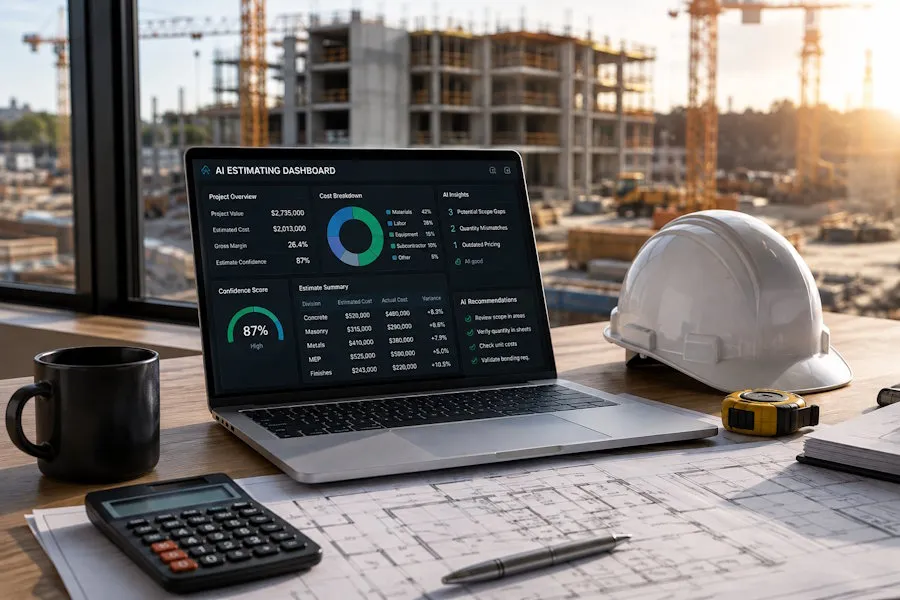
The construction estimating process is a method of predicting the total cost of a construction project. It involves evaluating materials, labor, equipment, and overhead costs to develop a comprehensive budget. An accurate estimate ensures that the project is financially feasible and that the client and contractor are on the same page regarding budget expectations — especially important given New York’s higher-than-average labor and material costs.
Estimation not only involves calculating hard costs (such as materials and labor) but also soft costs like NYC Department of Buildings (DOB) permits, inspections, and administrative expenses. Additionally, risk factors specific to New York, such as winter weather delays, congested job-site logistics, or material delivery restrictions in dense urban areas, need to be considered during the estimation phase.
Why is the Construction Estimating Process Important?
An accurate construction estimating process ensures that a project stays within budget, timelines are met, and expectations are aligned. Some of the key reasons why this process is essential include:
- Avoiding Cost Overruns: Proper estimation helps prevent unexpected expenses from creeping up during the project, keeping the client and contractor on budget — critical in a city where labor and material rates run well above the national average.
- Efficient Resource Allocation: With a clear estimate, resources such as materials, labor, and equipment can be allocated efficiently to avoid delays or shortages, even amid New York’s tight job sites and logistical constraints.
- Improved Decision-Making: A well-constructed estimate allows stakeholders to make informed decisions about materials, subcontractors, and project timelines.
- Client Satisfaction: When clients are presented with a transparent and accurate estimate, trust is built, and they have a clearer understanding of the project’s financial requirements.
The Key Steps of the Construction Estimating Process
To ensure an accurate and effective estimate, the construction estimating process follows several key steps. Each step is critical in ensuring the estimate reflects the true scope and cost of the project.
1. Project Scope Definition
The first step in the construction estimating process is defining the project’s scope. This involves determining exactly what the project entails — its size, complexity, and overall objectives. A well-defined scope helps prevent misunderstandings and scope creep, which can lead to budget increases and project delays.
During this phase, blueprints, drawings, and specifications are carefully reviewed, alongside NYC zoning requirements and DOB filing considerations that can shape the scope of a project before a shovel ever hits the ground.
2. Quantity Takeoff
Once the project scope is defined, the next step is the quantity takeoff. This involves breaking down the project into its individual components and calculating the materials required. These quantities include everything from concrete and steel to lumber, tiles, and finishes.
Accurate quantity takeoffs are essential because they form the basis of material and labor costs. Many estimators use construction software to automate and verify the accuracy of this step, particularly useful when coordinating deliveries to constrained New York job sites.
3. Labor Costs Calculation
Labor costs can be one of the most significant portions of the estimate, and New York’s union labor rates and prevailing wage requirements make this step especially important. It’s crucial to account for both the number of hours required for each phase of the project and the wage rates for different types of laborers and tradespeople. Factors such as local wage conditions, skill levels, and overtime should also be considered.
Estimates should include costs for general labor, subcontractors, and specialists such as electricians, plumbers, and HVAC technicians licensed to work within New York City.
4. Material Costs Estimation
After determining the quantities of materials needed, the next step is estimating the cost of those materials. This part of the construction estimating process requires up-to-date information on current market prices for construction materials in the New York region. Material costs can fluctuate due to supply chain issues, inflation, or seasonal demand, so it’s important to regularly update this data.
Bulk purchasing discounts, transportation fees into and around the city, and potential shortages should also be factored into the material cost estimates.
5. Equipment and Tools Estimation
Most construction projects require specialized equipment, from heavy machinery like bulldozers and cranes to hand tools. Estimating equipment costs involves determining whether it’s more cost-effective to rent or purchase equipment, depending on the project’s size and duration — a particularly relevant question in New York, where space constraints often make renting the more practical choice.
Estimators must also account for fuel, maintenance, and transportation of equipment to the job site, as well as any street permits or sidewalk closures required to stage equipment in dense city environments.
6. Subcontractor Bids
Many construction projects require subcontractors for specialized tasks, such as plumbing, electrical work, or roofing. Estimating subcontractor costs involves gathering bids from these specialists based on the scope of work.
It’s essential to thoroughly vet subcontractor bids for accuracy, as underestimating these costs can severely impact the overall budget, especially in a competitive New York subcontractor market.
7. Overhead and Indirect Costs
Beyond the direct costs of materials, labor, and equipment, indirect costs (also known as soft costs or overhead) must be factored into the estimate. These may include:
- Administrative costs
- DOB permits and inspections
- Site security
- Insurance and bonding
- Utility hookups (Con Edison and other local utility coordination)
While these costs may seem minor compared to materials and labor, they can quickly add up in New York, where permitting and compliance requirements are more extensive than in many other markets. A thorough construction estimating process will ensure no overhead costs are overlooked.
8. Contingency Allowances
Even with the most meticulous planning, unexpected challenges can arise during construction, such as weather delays, supply chain disruptions, or design changes. To account for these uncertainties, a contingency allowance (typically 5-10% of the total project cost) is included in the estimate.
This buffer helps ensure the project stays on track financially, even if unforeseen expenses occur — an especially valuable cushion for New York projects, where inspection delays or logistical hurdles can arise unexpectedly.
9. Profit Margin
For construction firms, the profit margin is an important part of the estimate. This margin typically ranges from 5-20%, depending on the size and complexity of the project. This ensures the company remains profitable after covering all direct and indirect costs.
Careful consideration of profit margins is essential in competitive bidding situations, as too high a margin can lose the bid, while too low a margin can erode profits — a balancing act that’s especially delicate in New York’s crowded and competitive contracting landscape.
10. Final Estimate Review and Validation
Once all costs have been calculated, the final estimate is reviewed and validated. This step ensures that all elements of the project have been accurately accounted for and that the estimate aligns with both the project’s scope and the client’s budget.
Many construction firms use specialized software to run checks and balances on their estimates, ensuring accuracy and eliminating potential errors before submitting bids or plans for DOB approval.
Best Practices for an Accurate Construction Estimating Process
The construction estimating process is both an art and a science. Accuracy is paramount, but other factors, like efficiency and client communication, also play a role. Here are some best practices to ensure the best possible outcome:
- Use Technology and Estimating Software: Construction estimating software can improve accuracy, reduce human error, and automate repetitive tasks like quantity takeoffs and cost updates. Many programs also integrate with project management tools to provide a more streamlined workflow.
- Keep Costs Updated: Material and labor costs fluctuate, sometimes rapidly, and New York’s market can move faster than the national average. It’s critical to regularly update these costs to ensure estimates reflect current local conditions.
- Communicate with Subcontractors Early: Gathering subcontractor bids early in the process can help you refine your estimates. Establishing strong relationships with reliable, licensed New York subcontractors can also help you secure better rates.
- Factor in Inflation and Market Trends: Inflation can impact material and labor costs, so it’s important to anticipate these trends when developing long-term project estimates for the New York market.
- Review Past Projects for Insights: Analyzing data from previous New York projects can provide valuable insights into potential pitfalls, helping to fine-tune future estimates.
Conclusion
The construction estimating process is an essential part of any successful project in New York. With an accurate estimate, contractors can ensure efficient resource allocation, prevent cost overruns, and keep projects on track despite the city’s unique regulatory and logistical demands. By following the key steps outlined in this guide and employing best practices, construction professionals can provide clients with reliable, transparent, and detailed estimates that set the foundation for success.
Ultimately, mastering the construction estimating process is about balancing accuracy with practicality. With the right tools, strategies, and attention to detail, you can elevate your construction estimates and drive successful project outcomes.
For expert assistance with your project estimates, trust New York Estimators — your go-to partner for accurate, reliable, and detailed construction estimates across New York City and the surrounding boroughs. Let us help you bring your vision to life, ensuring every detail is accounted for and within budget.