From attached garages to garage conversions, garage homes, and everything in between — here’s what you actually need to know.
If you’ve been Googling “garage house” lately, you’re not alone. Searches for garage houses, garage home designs, garage conversions, and living above a garage have exploded in the last few years — and for good reason. Whether you want to add value to your property, create extra living space, or build an entirely new kind of home, the garage house concept checks a lot of boxes.
This guide covers everything: what a garage house is, how much it costs, whether you can legally live in one, how to convert a garage into living space, and what designs are trending right now across the U.S. Let’s get into it.
What Is a Garage House?
A “garage house” can mean several different things depending on context, and that’s actually why so many people search for it:
- A house with a garage — the most common interpretation; a residential home that includes an attached or detached garage
- A garage converted into a house — turning an existing garage into a livable dwelling (ADU, studio apartment, or full home)
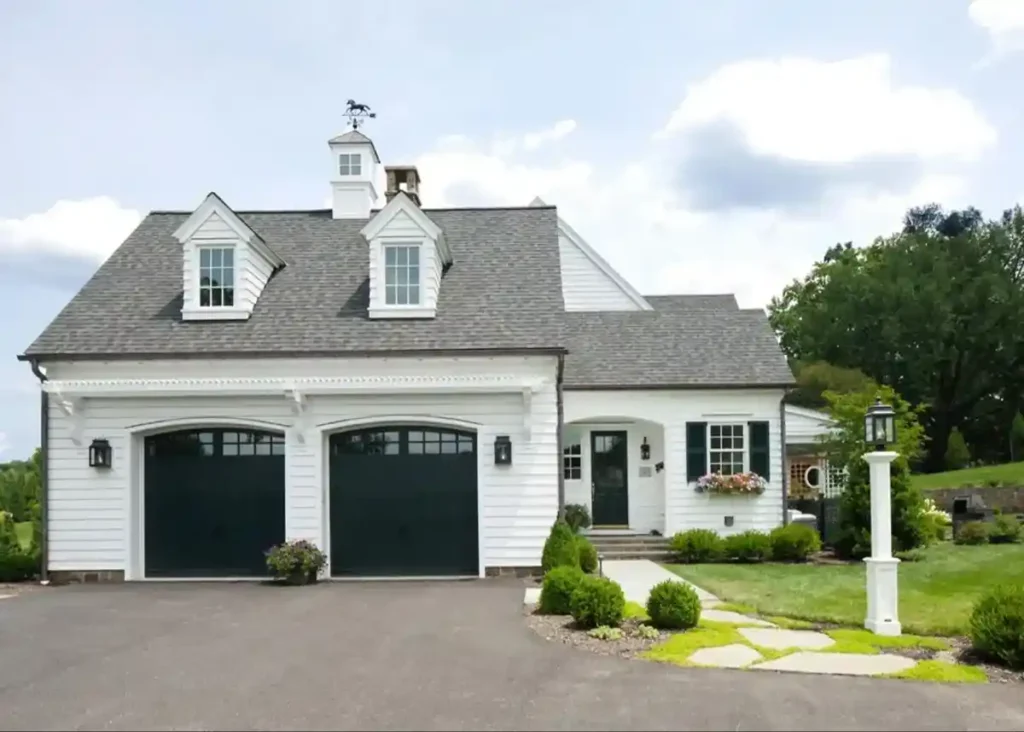
- A house built above a garage — sometimes called a “garage apartment” or “carriage house”
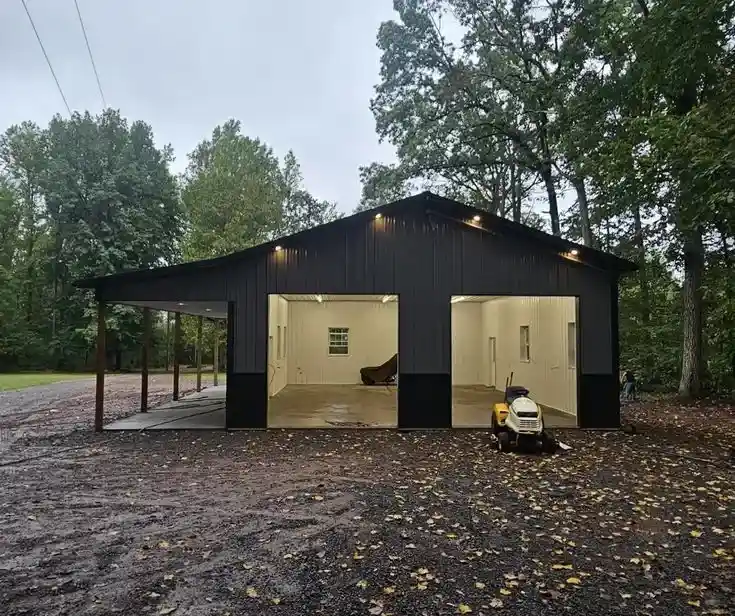
- A garage-style home — modern industrial-style homes with large roll-up doors, open floor plans, and high ceilings that mimic the aesthetic of a garage
All four are valid, popular, and worth understanding — especially if you’re a homeowner looking to maximize your property’s potential.
Types of Garage Houses (With Pros & Cons)
1. House with an Attached Garage
This is the American standard. Over 63% of U.S. homes have a garage, and the vast majority are attached. The garage sits flush with the main house structure and shares at least one wall.
| Pros | Details |
|---|---|
| Direct Interior Access | No walking through rain or cold |
| Extra Storage Space | Ideal for tools, seasonal items, and vehicles |
| Higher Resale Value | Typically adds $20,000–$40,000 in home value |
| Easier Climate Control | Can be heated or cooled more efficiently |
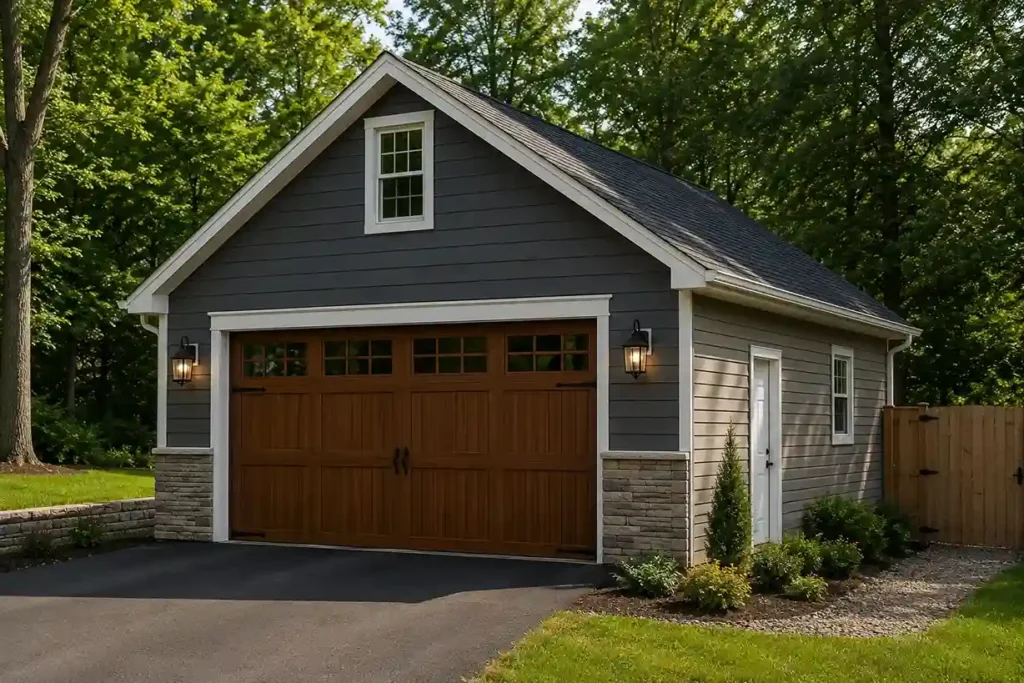
2. House with a Detached Garage
A freestanding garage structure separate from the main home. Common in older neighborhoods and rural areas.
Pro.
| Category | Description |
|---|---|
| ✅ More Design Flexibility | Allows greater freedom in layout, size, and exterior appearance |
| ✅ Better Fire Separation | Keeps the garage safely separated from the main house |
| ✅ Multi-Purpose Use | Can be used as a workshop, studio, storage space, or future ADU |
| Category | Description |
|---|---|
| ❌ No Interior Access | You must walk outside to access the garage |
| ❌ Higher Utility Costs | Separate electrical or plumbing connections may increase costs |
| ❌ Higher Construction Cost | Usually costs more to build upfront compared to attached garages |
3. Garage Conversion to Living Space (ADU)
One of the hottest home improvement trends in America right now. Converting a garage into an Accessory Dwelling Unit (ADU) — a studio, one-bedroom apartment, or in-law suite — adds usable square footage and rental income potential.
Average cost of garage conversion: $15,000–$75,000 depending on scope, finishes, and location.
4. Garage Apartment / Living Above a Garage
A full apartment or living quarters built above a detached or attached garage. Popular for in-law suites, rental units, or guest houses.
Average cost to build: $60,000–$150,000+
5. Garage-Style Homes (Modern Industrial Design)
This is a growing aesthetic trend — homes that look and feel like stylish garages. Think:
- Polished concrete floors
- Massive glass roll-up or sliding doors
- Open-plan layouts
- Steel beams and exposed materials
- Indoor-outdoor connection
These are especially popular in states like California, Texas, and Colorado among younger buyers and design-forward homeowners.
Can You Live in a Garage? (The Legal Reality)
This is one of the most-searched questions — and the answer is: it depends on your local zoning laws.
In most U.S. jurisdictions, you cannot legally live in a garage without converting it to meet residential building code requirements. Here’s what that typically involves:
Minimum Requirements to Make a Garage Habitable:
| Requirement | Standard |
|---|---|
| Ceiling height | Minimum 7–7.5 feet |
| Egress windows | Required in sleeping areas |
| Insulation | Walls, floor, and ceiling must meet R-value codes |
| Electrical | Must meet residential NEC code |
| Plumbing | Required if adding bathroom or kitchen |
| Ventilation | Mechanical or natural ventilation required |
| Heating/Cooling | Required for year-round habitability |
| Permits | Almost always required |
Skipping permits is risky. Unpermitted conversions can result in fines, forced removal, issues when selling your home, and insurance complications.
How to Convert a Garage Into Living Space | Step-by-Step
| Step | What to Do | Key Details |
|---|---|---|
| 1. Check Zoning & Permits | Contact your local building department or visit the city website. | Verify ADU rules, setback requirements, parking regulations, and HOA restrictions if applicable. |
| 2. Inspect the Garage Structure | Hire a contractor or structural engineer. | Check the foundation, roof condition, wall framing, and electrical panel capacity. |
| 3. Add Insulation | Proper insulation is essential for comfort and energy efficiency. | Insulate walls, ceilings, and floors over the concrete slab using spray foam or batt insulation. |
| 4. Upgrade Electrical & HVAC | Prepare the space for full-time living. | Add dedicated electrical circuits, outlets, and install heating/cooling systems like mini-splits. |
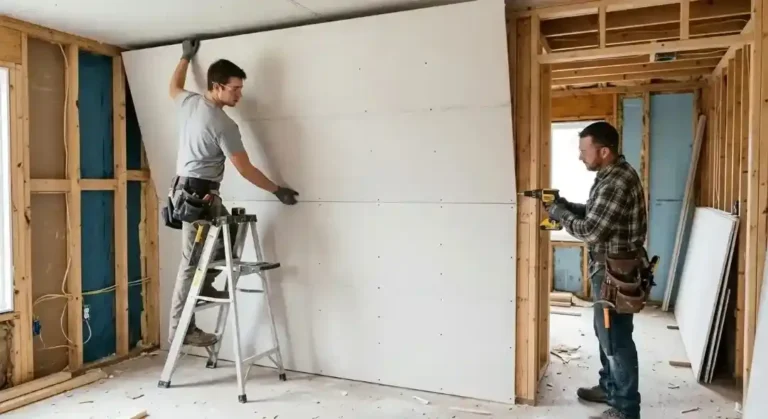
| 5. Build Interior Walls & Drywall | Convert the garage into livable rooms. | Close the garage door opening, frame rooms, and finish walls with drywall. |
| 6. Install Flooring & Fixtures | Complete the interior finishes. | Add flooring, plumbing for bathrooms/kitchenettes, and install fixtures. |
| 7. Final Inspection | Get official approval for occupancy. | Schedule the final inspection to receive the certificate of occupancy. |
How Much Does a Garage House Cost?
Cost varies enormously based on location, scope, and finishes. Here’s a realistic breakdown:
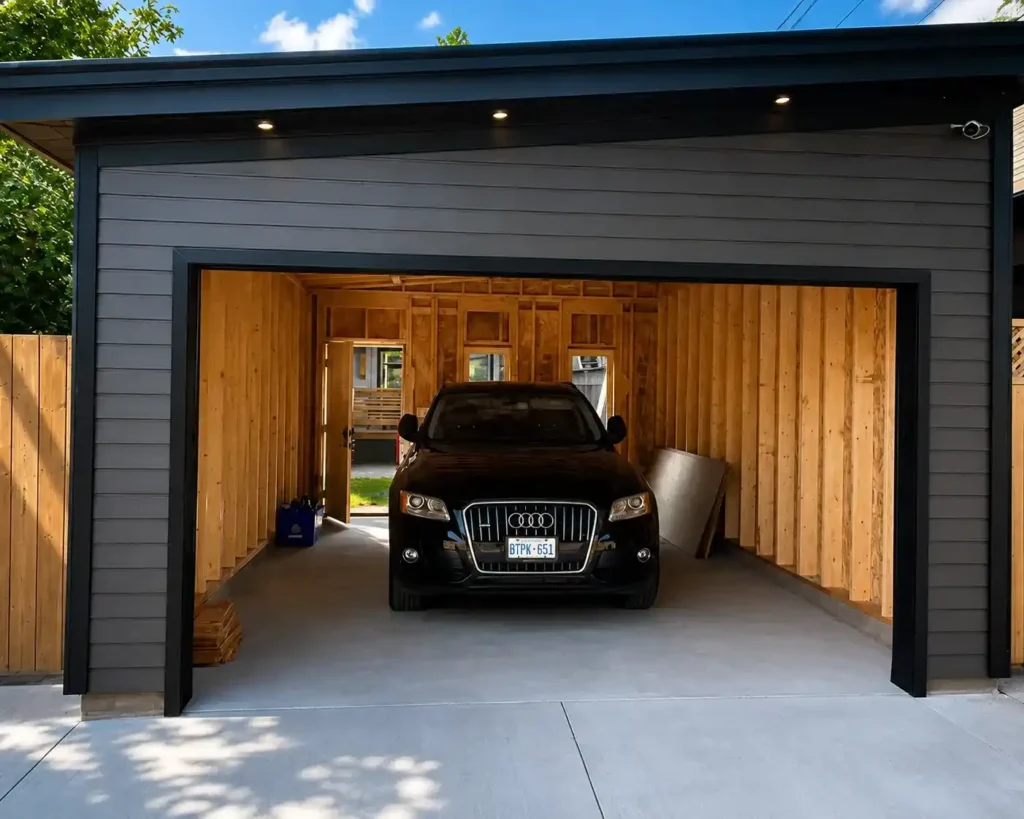
Building a New House with a Garage
| Home Type | Avg. Cost (USA) |
|---|---|
| Single-car attached garage addition | $20,000–$50,000 |
| Two-car attached garage addition | $40,000–$90,000 |
| Detached single-car garage | $18,000–$45,000 |
| Detached two-car garage | $35,000–$80,000 |
| New home with garage (per sq ft) | $100–$250/sq ft |
Garage Conversion Costs
| Conversion Type | Cost Range |
|---|---|
| Basic garage conversion (studio) | $15,000–$35,000 |
| Garage to 1-bedroom apartment | $30,000–$65,000 |
| Garage to full ADU with bath/kitchen | $50,000–$120,000 |
| Adding a second story above garage | $80,000–$200,000+ |
Garage House Plans: Popular Designs in the USA
Ranch-Style Home with Side-Entry Garage
Classic American design. The garage is on the side of the house, keeping the front façade clean. Especially popular in the Midwest and South.
Craftsman Home with Detached Garage
Traditional detailing meets functional separation. Common in the Pacific Northwest and Northeast.
Modern Farmhouse with Oversized Garage
Inspired by the modern farmhouse trend, these homes feature black-trimmed windows, white board-and-batten siding, and a large two- or three-car garage.
Contemporary Home with Full-Width Garage Door
The “garage home” aesthetic at its finest. The entire front of the house may feature floor-to-ceiling glass or a large sliding door. A residential property that feels like a well-designed loft.
Tiny House with Integrated Garage
For the minimalist or budget-conscious buyer — a compact home where the garage takes up 30–40% of the total footprint.
Garage House as an Investment: Does It Pay Off?
Yes — if done right.
Return on Investment (ROI):
- Attached garage addition: 60–80% ROI on resale
- Garage conversion to ADU: Can generate $800–$2,500/month in rental income, with full payback in 3–7 years in high-cost cities
- Detached garage addition: 55–70% ROI, higher in areas with limited storage
States with the Best ADU/Garage Conversion Laws:
California, Oregon, Washington, Colorado, and Minnesota have dramatically loosened ADU restrictions in recent years, making garage conversions more financially attractive than ever.
Garage House Interior Ideas
If you’re converting or building a garage-style living space, here are design directions trending right now:
| Industrial Chic | Modern Minimalist | Cozy Studio | Workshop + Living Hybrid |
|---|---|---|---|
| Exposed concrete floors (polished or stained) | Clean white walls with hidden storage and integrated cabinetry | Warm wood tones with area rugs over concrete floors | Half the space used as a livable area and half as a workshop |
| Metal shelving and Edison bulb lighting | Minimal furniture with maximum natural light | Compact kitchen nook with Murphy bed or loft sleeping area | Pegboard walls, utility sink, and tool storage on one side |
| Brick or steel accent walls | Large windows or skylights | Abundant plants and soft lighting | Comfortable lounge or office setup on the other side |
Garage House Safety: What You Must Know
| 🔥 Fire Safety | ☠️ Carbon Monoxide Safety | ⚡ Electrical Safety |
|---|---|---|
| The wall between the garage and living space must be fire-rated, typically using 5/8″ Type X drywall | Running vehicles in attached garages can produce carbon monoxide (CO) that may enter the home | Old or outdated wiring in garages can become a serious fire hazard |
| A self-closing, fire-rated door between the garage and house is required by code | Install CO detectors near the doorway connecting the garage and living area | GFCI outlets are required near water sources for added protection |
| Never sleep in an unmodified garage because it usually lacks emergency egress windows | Ensure proper ventilation whenever a vehicle engine is running | Upgrade the electrical panel if adding heavy electrical loads or new equipment |
Frequently Asked Questions About Garage Houses
Can I turn my garage into a bedroom?
Yes, but it must meet your local building code requirements — including minimum ceiling height, an egress window, insulation, and proper electrical. A permit is almost always required.
Does converting a garage add value to a home?
It depends. Adding finished living space typically increases value. However, if buyers in your area prioritize parking, removing a garage can hurt resale. An ADU with rental income potential generally adds more value than a simple bonus room.
What is a garage house called?
Depending on the type, it may be called a carriage house, garage apartment, ADU (accessory dwelling unit), in-law suite, or guest house.
How long does a garage conversion take?
A basic conversion takes 4–8 weeks. Full ADU conversions with plumbing and new electrical typically take 3–6 months.
Do I need an architect to design a garage house?
For simple conversions, a general contractor with experience in ADUs may be sufficient. For larger projects or new builds, an architect or residential designer ensures the project meets code and maximizes the space.
What is the cheapest way to convert a garage?
Keep the garage door (or replace it with a wall), use spray foam insulation, install a mini-split for HVAC, add a subfloor over the slab, and keep plumbing minimal. Budget conversions can come in under $20,000 in some markets.
Can I finance a garage conversion?
Yes. Options include home equity loans, HELOCs, FHA 203(k) rehab loans, cash-out refinancing, or personal loans. Some states have ADU-specific financing programs.
The Future of Garage Houses in America
The garage house is no longer just a utilitarian add-on. With housing affordability at a crisis point in many U.S. cities, rising multigenerational living trends, and remote work driving demand for home office and studio space, the humble garage has become one of the most strategic assets a homeowner can have.
Whether you’re building a brand new home with a thoughtfully designed garage, converting an underused two-car garage into a rental unit that covers your mortgage payment, or reimagining your entire home around an indoor-outdoor garage aesthetic — the possibilities in 2025 are wider than ever.
garage house, done right, is a smart financial decision, a flexible living solution, and increasingly, a design statement.
Quick Reference: Garage House by the Numbers
| Stat | Figure |
|---|---|
| % of U.S. homes with a garage | ~63% |
| Average value added by a 2-car garage | $20,000–$40,000 |
| Average garage conversion cost | $15,000–$75,000 |
| Average ADU rental income (major city) | $1,200–$2,500/month |
| Time to recoup garage conversion cost | 3–7 years (rental) |
| States with most ADU-friendly laws | CA, OR, WA, CO, MN |