
Construction Takeoff Services NYC for Every Project
Construction takeoff services in New York City (NYC) are essential for ensuring that every project stays on budget and on schedule. Whether you are a general contractor, plumber, or electrician, a takeoff identifies the materials needed to complete a project. Though the takeoff may vary depending on the type of construction work, the core process remains the same.

What Is the Takeoff Process in Construction?
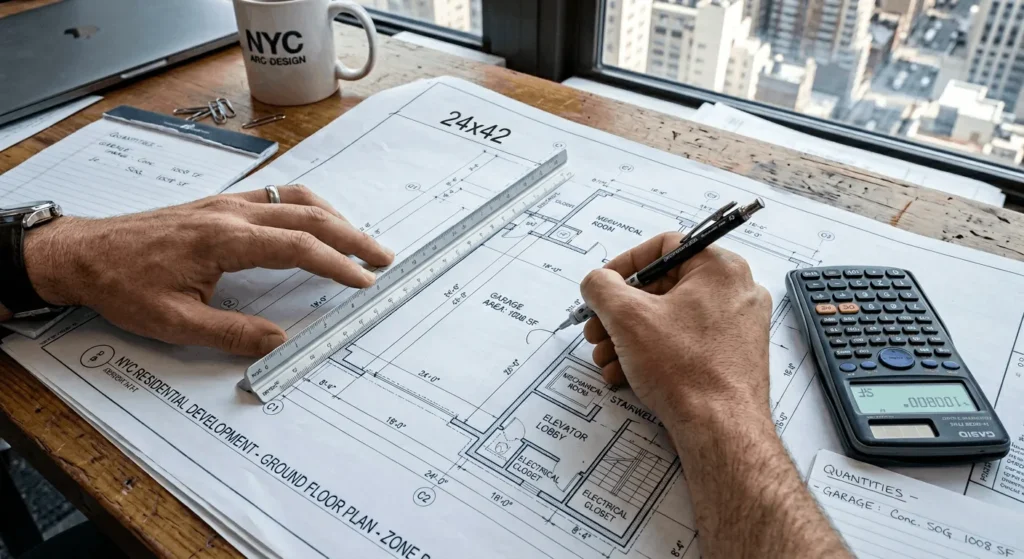
A construction takeoff involves quantifying every material required for a project. Estimators carefully examine blueprints and drawings provided by general contractors or project owners. The process is meticulous and involves two critical steps:
Step 1: Input Accurate Information
Takeoffs begin with precise information input. Any error in dimensions, materials, or quantities can lead to cost overruns or delays.
Step 2: Material Measurement and Counting
Once the inputs are set, estimators count and measure materials like lumber, concrete, roofing, and wiring. This step ensures that the right amount of each material is ordered and used efficiently.
Types of Construction Takeoffs
Takeoffs differ depending on the construction specialty. Below are the most common types:
Concrete Takeoff NYC
Concrete takeoffs In NYC account for labor, materials, overhead, and profitability. Labor includes everything from setting up forms to finishing the surface. Accurate concrete takeoffs help contractors avoid underestimating costs for a project’s foundation or slabs.
Engineering Takeoff NYC
Material Takeoff (MTO) NYC in engineering identifies all materials needed for a project, including the type, grade, and quantity. For example, steel beams may be listed with their specific dimensions and grades. This ensures structural integrity and regulatory compliance.
Framing Takeoff NYC
Framing takeoffs NYC focus on wood elements like beams, floor joists, wall studs, and trim joists. This takeoff helps contractors plan the lumber purchase and reduce waste.
Material Takeoff NYC
Material takeoffs NYC include all required items, from blocks, pipes, and wiring to flooring and fixtures. It is a comprehensive guide to ensure a construction project is fully supplied according to the blueprints.

How to Enter Dimensions in a Takeoff
Accuracy is critical in takeoffs. Dimensions should be entered in this order:
- Length
- Width
- Depth or Height
All measurements are converted to feet with two decimal places.
For example, 5′-10″ is written as 5.83 feet. This precision prevents costly over-ordering or shortages.
Quantity Takeoff vs. Full Detailed Estimate
A common question contractors ask is the difference between a quantity takeoff and a full detailed estimate:
- Quantity Takeoff: Focuses solely on determining the exact quantities of materials required.
- Full Detailed Estimate: Requires complete project drawings and covers the entire project cost, including labor, overhead, permits, and contingency costs.
By understanding the distinction, contractors can choose the right approach for their project phase.

Stud Calculations for Framing Projects
Takeoffs often involve calculating studs for framing walls or garages.
How Many Studs for a 12-Foot Wall?
To frame a 12-foot wall using standard 16-inch spacing:
192 ÷ 16 = 12 spaces, plus 1 extra stud at the end → 13 studs required.
How Many Studs for a 24×24 Garage?
For a standard 2-car garage, 24′(W) X 24′(L) X 8′(H):
- 2X4 Studs (8′ Long) – 80 pieces
- 2X4 Studs (12′ Long) – 16 pieces
- 2X4 Studs (12′ Long – Pressure Treated) – 7 pieces
This ensures accurate framing without material shortages.
Choosing Between a Prefab or Site-Built Garage
Many homeowners and contractors wonder: Is it cheaper to build a garage or buy a prefab kit?
- Prefab garages are often less expensive because they come with pre-cut materials and simplified installation.
- Site-built garages offer customization but usually cost more due to labor and material handling.
If you need a standard design, a prefab garage is the cost-effective choice.
Recommended Wood for Garage Framing
When framing a garage, using the right wood makes the project faster and stronger:
- Sheathing: Use the same sheathing for walls and roof to save time.
- Common Materials: ½-inch or 7/16-inch OSB (oriented strand board) is widely used.
- Studs: 2X4 or 2X6 lumber for walls, depending on garage height and local code.
Using consistent materials avoids errors and reduces waste.
Cost of Building a Garage in NYC
Understanding costs is crucial for budgeting:
- Average cost per square foot: $40 to $70
- Average cost for a detached two-car garage: $19,200 to $45,000
- Cost distribution: 50% materials, 50% labor
Accurate construction takeoffs help project owners estimate these costs before breaking ground, ensuring there are no surprises.
Real-World Problem Solving with Takeoffs
Construction takeoffs address common issues:
- Overordering Materials: Prevents unnecessary spending.
- Underestimating Labor: Ensures sufficient staffing and avoids delays.
- Blueprint Misinterpretation: Minimizes mistakes from incorrect measurements.
- Time Management: Helps schedule material deliveries and work phases efficiently.
By performing precise takeoffs, contractors can stay on budget, meet deadlines, and improve overall project quality.
Conclusion
Construction takeoff services in NYC are more than just counting materials—they are a strategic tool that helps contractors, engineers, and project owners plan efficiently. Whether it’s a concrete slab, a framed wall, or an entire garage, accurate takeoffs prevent costly mistakes, reduce waste, and keep projects running smoothly.
By understanding the process, different takeoff types, and how to calculate material needs, construction teams can ensure every project succeeds from start to finish.

FAQs
What is the main purpose of a construction takeoff?
To accurately determine material quantities needed for a project, helping prevent overordering and underestimating costs.
Can takeoffs be done digitally?
Yes, modern software allows digital takeoffs, reducing errors and speeding up calculations.
What is the difference between concrete and framing takeoffs?
Concrete takeoffs focus on labor, materials, and finishing, while framing takeoffs focus on wood elements like studs and beams.
Do all contractors perform the same takeoff?
No, subcontractors like electricians or plumbers will produce specialized takeoffs for their trades.
Is a prefab garage cheaper than a site-built garage?
Generally yes, prefab garages are more cost-effective and quicker to install.
How do I calculate studs for walls?
Divide the wall length in inches by stud spacing (usually 16″), then add one extra stud for the end.
What materials are included in a material takeoff?
All materials required according to blueprints, including lumber, concrete, wiring, fixtures, and roofing.
How does a quantity takeoff differ from a detailed estimate?
Quantity takeoff lists only material quantities, while a detailed estimate includes total project costs, labor, and overhead.
Why is accurate input important for takeoffs?
Mistakes in dimensions or material specifications can lead to budget overruns or delays.
How much does it cost to build a 2-car garage in NYC?
Approximately $19,200–$45,000 depending on materials, labor, and project specifics.